
In today’s fast-paced digital landscape, the emergence of digital products has transformed industries, businesses, and consumer behaviors. From e-books and online courses to software applications and digital art, digital products offer limitless opportunities for creators and entrepreneurs alike. By leveraging technology, individuals can create and sell products that cater to a global audience, making it essential to understand how to harness this digital product revolution effectively.
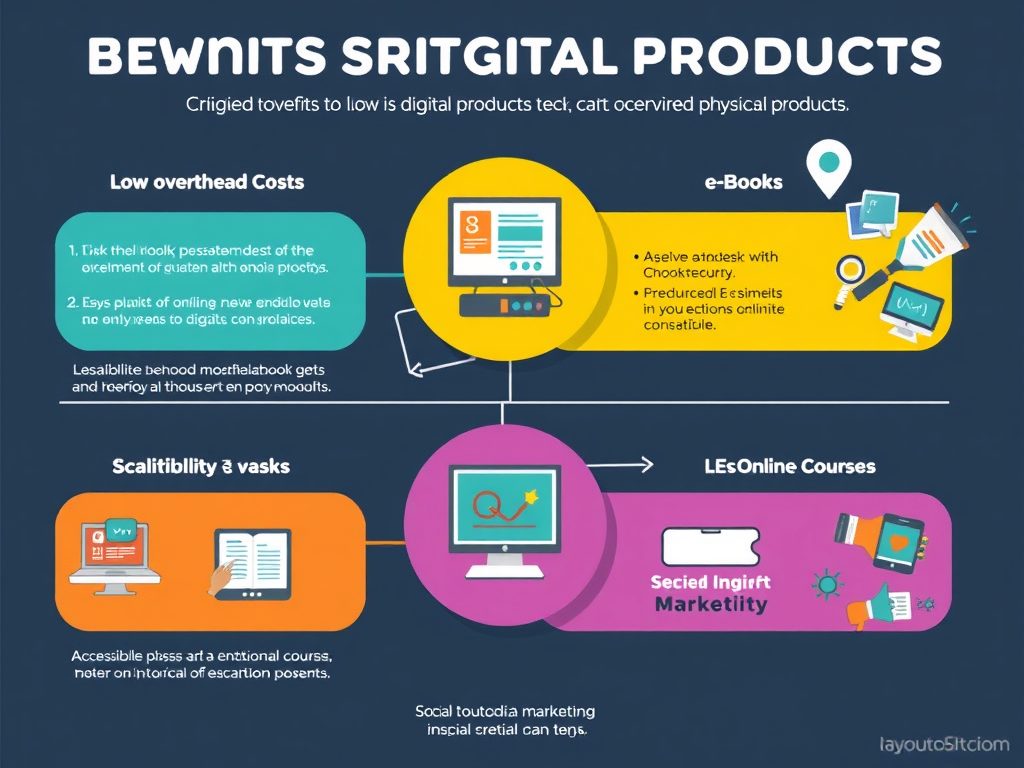
One of the most appealing aspects of digital products is their low overhead costs. Unlike traditional physical products that require manufacturing, storage, and shipping, digital products can be created and distributed with minimal expense. This significantly lowers the barrier to entry for aspiring entrepreneurs. For example, a graphic designer can create a digital artwork and sell it online without the need for printing or shipping. This efficiency allows creators to focus on their craft while maximizing their profit margins.
Moreover, digital products can be easily scaled. Once a product is created, it can be sold to an unlimited number of customers without additional costs. This scalability is particularly advantageous for online courses or subscription-based services. For instance, an instructor can design a comprehensive online course and sell it to thousands of students across the globe. This model not only generates passive income but also creates opportunities for continuous engagement with learners.
With the rise of e-commerce platforms and marketplaces, the accessibility of selling digital products has never been easier. Websites like Etsy, Udemy, and Amazon Kindle Direct Publishing provide creators with the tools to reach their target audience effectively. These platforms offer built-in marketing capabilities, making it easier for creators to promote their products and gain visibility in a crowded marketplace. Additionally, social media platforms like Instagram and TikTok have become powerful marketing tools, allowing creators to showcase their digital products and build a loyal customer base.
To succeed in the digital product space, it is crucial to identify a niche that resonates with your audience. Conducting thorough market research can help you understand consumer trends, preferences, and pain points. For example, if you notice an increasing demand for remote work resources, consider creating a digital product that addresses this need, such as productivity planners or remote team management tools. By aligning your product offerings with market demand, you can enhance your chances of success.
Content creation is another vital component of digital products. Whether it’s writing engaging e-books, designing interactive courses, or developing user-friendly apps, the quality of your content will ultimately determine the success of your product. Investing time in refining your skills and understanding your audience can lead to higher customer satisfaction and repeat purchases. Furthermore, offering free samples or trials can entice potential customers and build trust in your brand.
Another essential aspect of the digital product landscape is the importance of customer feedback. Engaging with your customers and soliciting their input can provide invaluable insights into improving your products. Encourage reviews and testimonials to build social proof, which can further enhance your brand’s credibility. Additionally, consider implementing a feedback loop to continuously iterate and improve your offerings based on customer suggestions.
Finally, protecting your digital products is crucial. Since digital goods can be easily replicated, consider implementing measures such as watermarks, digital rights management (DRM), and secure delivery methods to safeguard your intellectual property. Additionally, openly communicating your terms of use and licensing agreements can help prevent misuse of your creations.
In conclusion, the digital product revolution presents incredible opportunities for creators and entrepreneurs to innovate and thrive in the modern marketplace. By leveraging technology, understanding market demands, and focusing on quality content, individuals can successfully navigate this evolving landscape. As digital products continue to gain popularity, now is the perfect time to explore your potential and contribute to this dynamic industry. Embrace the possibilities that digital products offer, and take the first step towards building your digital empire today!

Emily Carter
I love the idea of offering free trials! It really builds trust with potential customers. I’ll definitely implement this in my next launch.
Sarah Johnson
Great article! I completely agree that the digital product space is booming. I’ve started my own online course, and the scalability is truly game-changing!
Sophia Williams
I couldn’t agree more about the low overhead costs. It’s a huge advantage for entrepreneurs like myself looking to get started!
Robert Wilson
I appreciate the focus on customer feedback. It’s so important to listen to what our audience wants to improve our products.
David Lee
Excellent insights on protecting digital products. With so much piracy out there, it’s crucial to safeguard our work. Thanks for sharing!
Linda Martinez
Fantastic overview of the digital product landscape! I’m excited to explore platforms like Etsy and Udemy for my digital art.
Jessica Patel
This is such an inspiring read! I’ve been thinking about creating an e-book and your tips have given me the motivation to start. Thank you!
Michael Thompson
This post really highlights the importance of market research. I often overlook this step when creating my digital products. Thanks for the reminder!
Kevin Brown
Thanks for the tips on content creation! I’m always looking for ways to improve my online courses, and your suggestions are spot on.