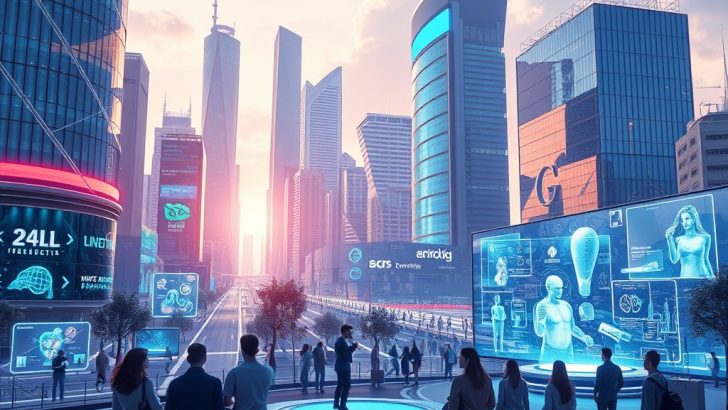
As we venture deeper into 2025, the digital landscape continues to evolve at an unprecedented pace. This evolution is driven by the rapid advancement of technology, shifting consumer preferences, and an unwavering demand for innovation. In this blog post, we will explore the most significant trends shaping the digital product space this year. From the rise of artificial intelligence to the increasing importance of user experience design, let’s delve into the trends that are not only transforming digital products but also reshaping how we interact with technology.
One of the most prominent trends in digital products is the integration of artificial intelligence (AI) and machine learning (ML). These technologies are no longer just buzzwords; they are fundamental components of many digital products today. Businesses are leveraging AI to enhance personalization, automate processes, and improve customer service. For instance, virtual assistants powered by AI are becoming more sophisticated, allowing users to perform tasks with simple voice commands. This shift towards intelligent systems not only improves efficiency but also creates a more engaging user experience.
Another trend gaining momentum is the focus on sustainability in digital product development. As consumers become more environmentally conscious, companies are responding by prioritizing eco-friendly practices. This includes not only the materials used in hardware but also the energy consumption and carbon footprint of software applications. Brands are increasingly emphasizing their commitment to sustainability, and this is influencing purchasing decisions. For digital products, this means creating solutions that are not only innovative but also responsible, appealing to a broader audience.
The concept of user experience (UX) has always been central to digital products, but it is evolving into a more holistic approach. In 2025, designers and developers are prioritizing the entire customer journey, from the initial interaction with the product to ongoing engagement and support. This trend involves employing data analytics to gain insights into user behavior and preferences, allowing for a more tailored experience. Companies are also exploring new ways to enhance UX through immersive technologies like augmented reality (AR) and virtual reality (VR). These technologies offer users a unique way to interact with products, creating memorable experiences that can significantly boost brand loyalty.
In addition to UX, accessibility remains a key focus in digital product design. As the digital world becomes increasingly integral to everyday life, ensuring that products are accessible to all users, regardless of their abilities, is paramount. This trend is not only a legal requirement in many regions but also a moral imperative for companies. By adopting inclusive design principles, businesses can reach a wider audience and demonstrate their commitment to social responsibility. This trend is reshaping the way products are designed, with an emphasis on usability for everyone.
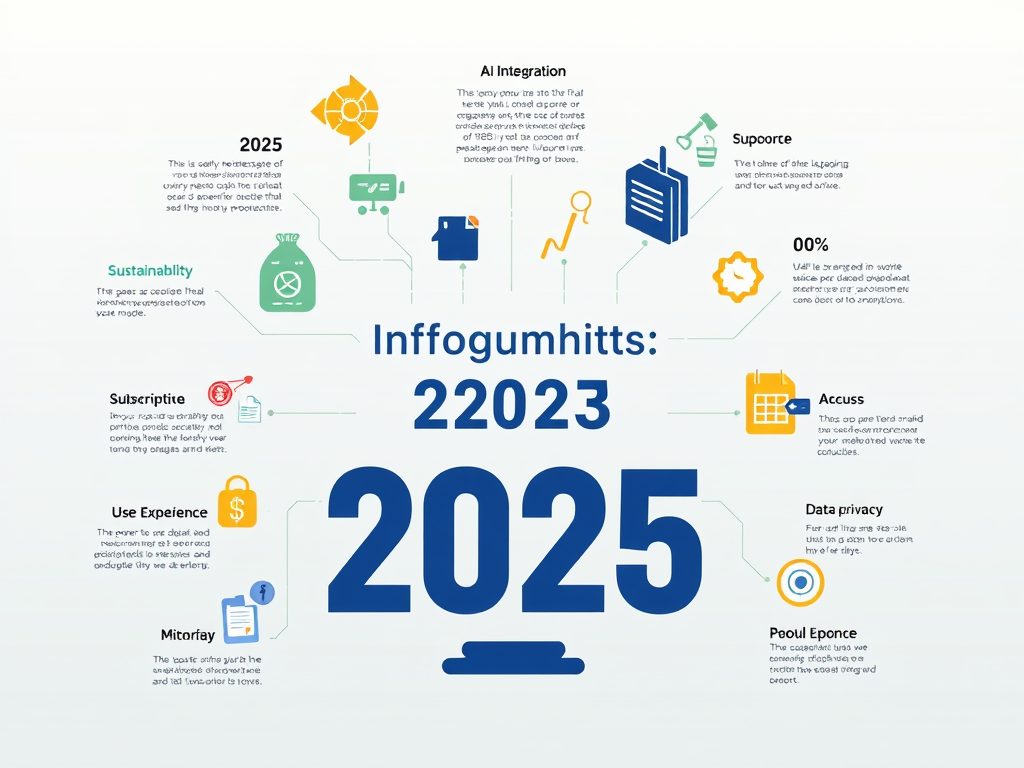
The rise of subscription models is another noteworthy trend in digital products. Consumers are gravitating towards services that offer flexibility and value, leading to a surge in subscription-based digital products. This model allows users to access a range of features and updates for a recurring fee, which can be more appealing than traditional one-time purchases. Companies that successfully implement subscription models benefit from predictable revenue streams and increased customer retention. This trend is particularly evident in software services, streaming platforms, and even digital content creation tools.
Finally, the importance of data privacy cannot be overstated in 2025. With growing concerns about data breaches and unauthorized data use, consumers are becoming increasingly cautious about sharing their information. Digital product developers are responding by prioritizing security features and transparency. This includes implementing robust encryption methods, clear privacy policies, and giving users control over their data. As privacy regulations continue to evolve, businesses must adapt to ensure compliance while building trust with their customers.
In conclusion, the digital product landscape in 2025 is characterized by innovation and a shift towards user-centric design. From AI integration and sustainability to enhanced user experiences and data privacy, these trends are shaping the future of how we interact with technology. For businesses, staying ahead of these trends is crucial to remaining competitive in an ever-evolving market. As we continue to explore the possibilities of digital products, embracing these trends will not only enhance user satisfaction but also drive business growth and success.

Olivia Brown
This article is a must-read for anyone interested in digital trends. The focus on accessibility is especially important. We need to make technology available for everyone!
Isabella Garcia
Fantastic overview of the current trends! I think the shift towards user-centric design is crucial for future innovations in the digital sector.
Michael Chen
Great insights! Subscription models are really changing the game for digital products. I appreciate the flexibility they offer, especially for software solutions.
Sophia Martinez
User experience is everything! I think the move towards a more holistic approach is essential for creating products that truly resonate with users.
James Taylor
I love the emphasis on sustainability. It’s about time companies took responsibility for their environmental impact. Excited to see how this trend develops in the coming years.
Ava Johnson
Data privacy is a huge concern for me. It’s reassuring to see companies prioritizing security and transparency. We need to hold them accountable!
Liam O'Connor
The use of AR and VR in enhancing user experience is fascinating! I can’t wait to see more brands adopting these technologies for immersive interactions.
Ethan Wilson
I agree that AI and ML are becoming integral to our digital experiences. It’s amazing how they can personalize services and improve efficiency.
Emily Carter
This post highlights some crucial trends that are shaping our digital future. I’m particularly interested in how AI is being integrated into everyday products—it really does enhance user experience!